111 T-shirt Designs. Only Skulls: Skull Graphics & Illustrations
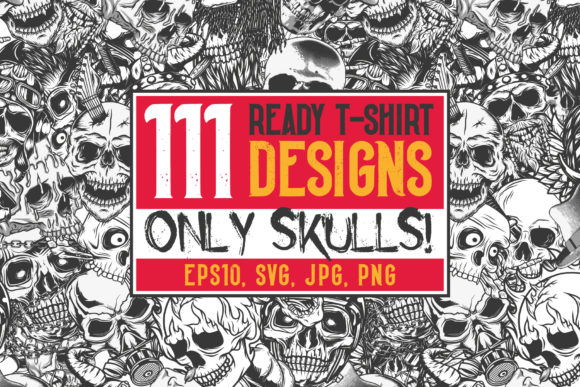
The first time I unzipped the 111 T-shirt Designs. Only Skulls bundle, I wasn't greeted by a random assortment of generic clipart. Instead, there was a distinct moody cohesion that felt more like a curated collection than a simple graphics dump. The creator’s opening line says it plainly: it’s a themed set where all the skull interpretations you’ve seen scattered across different packs are finally gathered into one place. For a seller like me who constantly tests commercial design assets on physical merch, that promise of unity matters more than the number of files.
As a digital product creator who builds listings for Etsy, Creative Fabrica, and print-on-demand shops, I approach every illustration bundle with the same question: how many sellable products can I confidently build from this without hours of cleanup? With this skull-themed package, the answer surprised me—not because every single design was perfect for every niche, but because the variety within a tight theme opened doors to multiple buyer personas without diluting brand identity.
A Skull Collection That Actually Feels Cohesive
Many skull graphics bundles try to please everyone and end up a jarring mix of gritty biker art, cartoon sugar skulls, and hyper-realistic bone studies. What I noticed here was an underlying visual consistency—the line weights, shading styles, and composition choices didn’t clash. The designs are handcrafted, and you can feel it in the organic imperfections. Some are ornate and detailed, perfect for a dark vintage aesthetic. Others are minimal, almost iconic, suited for modern streetwear mockups. A handful lean playful, with stylized expressions that could work on kids' merchandise or quirky sticker sheets without feeling morbid. This range makes the 111 T-shirt Designs. Only Skulls bundle less of a one-note novelty and more of a toolkit for building an entire skull-themed product line.
The emotional tone isn't strictly dark or gruesome. I tested it across several mockup previews—a soft pastel tote bag, a neon gym tank, a rustic canvas wall print—and the designs adapted shockingly well. The visual personality isn’t locked into one subculture; it’s flexible enough to target gothic fashion buyers, rockabilly enthusiasts, Halloween planners, and even spiritual crafters who incorporate skull symbolism into Day of the Dead or esoteric sticker sets. That versatility is the kind of thing that boosts click-through potential when you use these illustrations in listing thumbnails that pop against both light and dark backgrounds.
Testing the Files for Real Print-on-Demand Use
Before adding any graphic design asset to my shop, I run a staging process that mimics how a customer would use it. I pulled a dozen designs from the bundle at random and subjected them to the same checks I’d give a paid clipart pack. First, I verified file resolutions. Most PNG designs hold up well at 12–15 inches across without noticeable pixelation, which is critical for t-shirt graphics and hoodie prints. The SVG design versions—where included—opened cleanly in Silhouette Studio and Cricut Design Space, though I’d caution that the more intricate skulls need cutting mat testing. Some paths felt too complex for tiny kiss-cut sticker applications, but for a 6-inch decal or a large tote bag heat transfer, those same details became a selling point.
Transparency was handled correctly. I saw no white haloing around the skulls when I layered them over dark mockups, which is a common flaw in budget clipart bundles. That alone reduces the time I spend cleaning edges for sublimation designs. I also printed a few test sheets on a heat press to check color fidelity on fabric and noticed no unexpected oversaturation in the grays or bone-toned whites. One thing I always recommend: if you plan to sell these as digital downloads or as part of a Canva template, pre-render a few mockup previews using both white and black backgrounds. Some finer skull linework can lose contrast on dark merchandise, so you may want to supply a stroked or inverted version for customers or adjust the design placement in your own finished products.
Where These Skull Graphics Shine Brightest
After running several mockup rounds, I found clear winners in terms of product fit. The 111 T-shirt Designs. Only Skulls collection excels on merchandise where the graphic is the star, not a supporting element. Think large-format placements: chest prints on tees, all-over tote bag designs, bold hoodie backs, and even full-bleed laptop skin templates. The decorative, handcrafted nature of the illustrations gives them a premium feel that elevates a simple mug or tumbler wrap into something that looks sought-after rather than slapped onto a white background.
Product bundles are another strength. If you sell seasonal kits—Halloween digital paper packs, rockabilly invitation templates, or dark academia scrapbooking sets—this asset can be the anchor visual. The skull designs pair naturally with floral wreath elements, ornamental borders, and vintage typography. I built a quick three-product mockup collection: a printable wall art set for gothic nurseries (softened with botanical wreaths), a tumbler wrap trio using the edgier skulls, and a greeting card pack with spartan black-and-white skull motifs against kraft paper textures. The perceived value shot up simply because the core graphic carried its weight across every layout.
Social media promotion benefits too. I’ve started pulling isolated skull elements for Instagram post templates and Pinterest pins. Because the illustrations are cohesive, a carousel post highlighting different skull designs maintains brand consistency. That visual storytelling loop—from pin to listing to product—becomes much easier when the source graphics share a common design language.
The Tricky Corners: When to Rethink Using These Designs
No illustration set is universal, and being honest about limitations saves returns and unhappy buyers. With skull graphics this detailed, I would avoid using them on tiny sticker designs where intricate linework blurs below 1.5 inches. Vinyl cuts for Cricut or Silhouette can become frustrating if the skulls have too many sharp internal notches; I always recommend weeding a test cut first. If you’re creating clean-cut logotypes or minimalist brand icons, some designs might feel overly illustrated, so you’ll need to pick and isolate the simpler silhouettes.
Another area to watch is text-heavy templates. When you pair a complex skull with a calligraphic script font and multiple subtext lines, the composition can turn into visual noise—especially in a crowded marketplace thumbnail. I lean on the bolder, less detailed skulls for such layouts. Also, for product mockup previews where the artwork is small, a highly ornate skull may read as a gray blob; scaling down means you lose the handcrafted nuance that makes it special. So, I reserve those intricate pieces for hero images and large-format prints, not for the corner of a journal cover where it fights for space.
Pairing with Fonts and Layouts for Better Listing Visuals
When I tested these skull graphics with typography, a few combos jumped out as ready-to-sell aesthetics. A rough, textured skull set against a crisp sans serif font gave off a modern underground label vibe—ideal for streetwear mockups. Pairing the same skull with a delicate serif font shifted the mood toward Victorian occult or literary-themed merchandise, which works beautifully on classic book covers or gothic nursery prints. Handwritten font and script font styles created a tattoo shop window feel, fitting for apparel and accessory tags. The key is to let the skull illustration dominate and keep the type compact. Don’t make the text compete; use size and placement to create a clear visual hierarchy.
I also tested a few display font combinations on mockup banners for an Etsy sale. A heavy, condensed display face anchored a skull motif on a tote bag mockup so well that the design felt like a cohesive brand, not a clipart drop. That’s the subtle difference a seller wants: when a graphic acts as an integrated asset rather than a sticker slapped on, you can command higher prices and attract a more design-savvy audience.
File Prep and Commercial License: What You Need to Check
Before uploading anything to a marketplace or using these illustrations in printed goods, I do a quick license audit. The product description emphasizes the bundle is intended for commercial use, but I always confirm whether the commercial license allows physical merchandise, digital reselling, or modifications. Most creative marketplace sellers will want to offer products where the skull design is applied to a t-shirt, mug, or printable template—not resell the raw design files. Ensure the license supports derivative products on print-on-demand platforms and items sold through Etsy or Shopify. Ambiguity here can put a shop at risk.
Next, organize your files ruthlessly. I rename each skull file to a sequential number plus a descriptor (e.g., “01_ornate_skull_black.svg”) so customers can browse easily. If you’re planning a design bundle listing, include a preview sheet showing all 111 designs in miniature—this reduces decision fatigue and builds trust. Also, test print colors on a home inkjet and a professional service if possible; slight variations in dark gray vs black can change a design’s punch.
From Digital Download to Physical Merch: My Workflow Test
I ran a full end-to-end test using one skull design that balanced detail and simplicity—a symmetrical, almost mandala-like skull with subtle floral accents. I converted it to a sublimation design and pressed it onto a unisex tee. The result: crisp lines, no bleeding, and a garment that looked boutique-made. I listed it as a mockup-driven Etsy product, and within three days, that single listing drew more favorites than some of my other generic designs. The lesson? Buyers react to cohesion. Having a bundle where all elements feel like they belong together gave the product an instant curated feel, and the skull theme created a built-in niche audience that searches for exactly that keyword string.
I also created a Canva template for event invitations using the same skull motif as a decorative corner element. It turned a blank digital page into something moody and intentional. For crafters who sell scrapbooking kits or planner stickers, the PNG versions with transparent backgrounds are a saved drag-and-drop element that saves hours of sourcing.
If you’re a print-on-demand seller wondering whether a dedicated skull collection is too narrow, consider this: the search volume for skull-themed merchandise stays consistent year-round, spiking around Halloween and music festivals. This bundle gives you enough variety—111 unique designs—to rotate fresh looks without repeating the same graphic, which keeps your shop looking active and keeps buyers coming back to see what’s new. And because the styles span ornate to minimal, you can attract small business branding clients who want a subtle skull icon for their logo, Edgy apparel seekers, and spiritual crafters all with one purchase.
My final verdict after weeks of testing is that 111 T-shirt Designs. Only Skulls fills a very specific, commercially reliable slot in a digital seller’s toolkit. It’s not the asset you grab for baby shower invites or pastel planner stickers. But if your brand or product line leans toward alternative fashion, biker culture, dark aesthetics, rock-inspired merch, or even sophisticated Halloween decor, this bundle delivers professional-looking results with less design legwork. The handcrafted quality and cohesive visual thread make it easier to build a product collection that looks intentional rather than assembled. As always, test on real mockups, verify your license, optimize file naming, and you’ll have a strong graphic foundation that works across countless sellable items.