Internet Quotes Design Bundle: Graphics & Print Templates
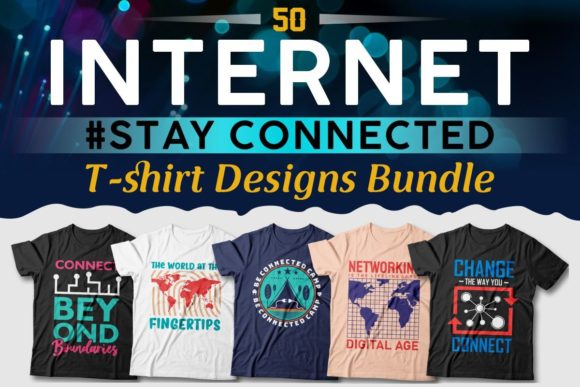
The first time I opened the Internet Quotes T-shirt Designs Bundle, I wasn’t thinking about t‑shirts. I was thinking about blog headers, Pinterest pins, and the kind of clickable article graphics that stop a social scroll dead. As an experienced blog designer and digital publisher, I’ve learned to look past a product’s title and straight into its editorial potential. This graphic design asset immediately struck me as a smart, mood‑rich collection that could do far more than sit on cotton. It carries a playful, slightly rebellious internet‑culture energy — witty phrases, bold typography, and a typographic grit that feels like hand‑pulled screen prints. That’s a look that works incredibly well in lifestyle, creator‑economy, and personal‑brand content. It isn’t polished and corporate; it’s human and conversational. For a blog that thrives on personality, that visual tone can build trust before a single sentence is read.
First Look: The Editorial Mood This Bundle Creates
Unzipping the folder, I saw designs that blend retro badge styling with viral quote culture. The visual language leans modern and casual, with a slightly grungy, hand-lettered edge. This isn’t minimalist Scandinavian design — it’s louder, more energetic, and distinctly social‑media‑native. For a publisher, that means the assets naturally support lifestyle, blogging, freelancing, digital nomad, humor, or personal development niches. If your content talks about online business, social media struggles, motivation for creators, or even the irony of screen fatigue, these graphics slot in like a missing template. The mood feels relatable and unfiltered, which is exactly what builds reader intimacy in a crowded feed.
How a T‑Shirt Design Becomes a Blog’s Secret Weapon
Most bloggers and content creators overlook this: print templates and apparel graphics often make exceptional digital editorial assets. Why? Because they are built for visual impact at a glance. A t‑shirt design has to be readable, emotionally immediate, and balanced on a single canvas. Those same qualities translate perfectly to website headers, article featured images, and social media graphics. The Internet Quotes T-shirt Designs Bundle gives you a library of ready‑made visual statements. Instead of designing from scratch, you can grab a quote that matches your post’s tone, drop it into a Canva template, adjust the background, and you’re done. I’ve used similar design assets to create Pinterest pins that drive traffic for months, simply because the graphic already knows how to stop a thumb.
Real Publishing Workflows I’d Test This Bundle In
As a publisher, I map every asset to a concrete editorial job. Here’s where this bundle slots into my daily workflow:
- Blog hero images – A bold quote graphic instantly sets the article’s tone and makes the page feel designed, not just written.
- Pinterest pins – Quote pins remain one of the highest‑traffic formats. These designs, with a little reformatting, can become addictive long‑pins that get saved and clicked.
- Newsletter graphics – Place a relevant quote near your email’s call‑to‑action; it adds personality and breaks up the text without needing a custom illustration.
- Digital guide covers and lead magnets – A cheeky internet quote can turn a simple PDF checklist into something people actually want to download.
- Category thumbnails – Use the graphics to visually define different blog sections (e.g., social media tips, productivity rants) so returning readers build visual recognition.
- Social media carousel slides – Quote cards are the backbone of educational and inspirational carousels on Instagram and LinkedIn. This bundle provides the headline, and you supply the context.
- Affiliate content visuals – When reviewing tools or resources, a playful quote can warm up a comparison table and make the page feel less transactional.
In every case, the graphic design asset works as a visual hook — the piece that tells a reader “this is worth your time” before they even process the headline.
How the Right Graphic Strengthens Reader Trust and Click‑Through
We often talk about visual hierarchy and brand identity in the abstract. Here’s what it physically means for a blog: when a user lands on your post, the featured image sets the expectation. Blurry, generic, or text‑heavy graphics erode confidence. A crisp, typographically intentional quote design signals that you care about presentation — and by extension, that your content is worth a careful read. I’ve watched bounce rates drop simply by swapping a stock photo for a strong, quote‑based editorial design. The Internet Quotes T-shirt Designs Bundle offers that crispness. The typography is already balanced, the layouts are press‑ready, and the language feels current. When placed above the fold in a blog, these graphics help readers immediately connect with the article’s voice. For affiliate content, a well‑chosen quote can subtly frame the product as part of a relatable lifestyle, not a pushy sale.
Where the Graphics Shine Brightest In a Content System
From a pure design performance standpoint, this bundle excels as:
- Hero images and featured graphics – large spaces where the texture and detail come alive.
- Pinterest pins – the vertical format loves bold typography and high contrast.
- Social media previews – Facebook, Twitter, and LinkedIn link previews benefit from a graphic that looks equally good at 1200x630 pixels.
- Editorial accents within long‑form posts – break up dense sections with a centered quote design that reinforces the point.
- Downloadable resource covers – workbooks, content calendars, and swipe files feel more premium with a branded visual.
When to Step Back: Usage Cautions for Serious Publishers
As much as I love the energy of these designs, I wouldn’t slap them onto everything. Here’s where a thoughtful publisher should pause and possibly choose a different visual:
- Corporate or heavily formal niches – a law firm blog or financial advice site might find the grungy quote style jarring, not trustworthy.
- Small mobile thumbnails – intricately styled quote designs can become illegible at 150x150. Always test at thumbnail scale.
- Text‑heavy blog images – if your featured image already contains a lot of editorial text, adding another quote graphic competes for attention.
- Low‑contrast backgrounds – many t‑shirt designs use distressed textures that vanish on busy or pale website backdrops. Try them on a solid color block first.
- Websites needing an ultra‑minimal visual system – if every other graphic on your site is a clean, white‑space‑heavy illustration, this bundle might feel like a visual shout in a whisper gallery.
The key is modularity. Use the graphics where they support the message, and keep a more subdued style for pages that demand academic or professional restraint.
Publisher’s Practical Checklist: From Download to Published Page
Over years of building blogs and digital products, I’ve developed a short, non‑negotiable checklist whenever I introduce a new design asset into my content rotation. Run the Internet Quotes T-shirt Designs Bundle through these steps:
- Test on desktop and mobile screens – open the graphic in a browser at 100% and as a phone‑width thumbnail. If the message holds, you’re safe.
- Preview inside a real blog layout – don’t judge a graphic in isolation. Drop it into your demo post template with headline, excerpt, and side column. How does the visual hierarchy fall?
- Check contrast and readability with overlay text – some designers will add a semi‑transparent bar behind their article title. Test this on the lightest and darkest areas of the graphic.
- Try it in black and white – many email clients and RSS readers strip color. Ensure the design still reads clearly.
- Place beside different font families – set it next to serif, sans serif, script, handwritten, and display fonts on your site. The graphic should complement, not clash.
- Review file size for web performance – large uncompressed print templates can be heavy. Compress PNG and JPG exports to under 200KB for featured images while keeping quality.
- Confirm commercial licensing – before using the bundle on monetized websites, affiliate pages, or inside a paid digital product, verify the included commercial license covers those uses. A quick check prevents copyright headaches.
Building a Visual System Around Quote‑Based Assets
One of the smartest editorial moves I see is turning a graphic design asset like this into a recognizable blog branding element. By consistently pulling from the same quote bundle for featured images, newsletter banners, and social share graphics, you create a cohesive look that readers subconsciously recognize. When they see that gritty, internet‑culture typography, they know it’s you. This kind of brand identity takes pressure off your writing to carry all the personality — the visuals do half the work. Over time, your content feels more magazine‑like, and that perception directly impacts time‑on‑page, ad revenue, and affiliate click‑through potential.
Why This Bundle Belongs in a Content Creator’s Toolbox
For bloggers, digital marketers, and creative entrepreneurs who publish daily or weekly, design time is a real bottleneck. The Internet Quotes T-shirt Designs Bundle shortcuts that by giving you a collection of conversation‑starting visuals that are ready to remix. You don’t need to be a typography expert; the designer already solved the kerning, the balance, and the emotional punch. As a publisher, I’d use it to quickly build lead magnets, Canva templates for social media, and printable designs for content upgrades. And because the bundle is categorized under Print Templates and Graphics, you also retain the option to create real‑world merchandise down the line — a natural extension for anyone running a small business branding strategy that spans digital and physical goods.
Web Presentation and the Clickable Factor
Ultimately, the test of any editorial design is whether it makes someone stop and click. The Internet Quotes T-shirt Designs Bundle passes that test not because it’s pretty, but because it’s boldly human. It borrows the visual language of everyday internet culture and elevates it just enough to feel intentional. For a blog about online life, side hustles, or creative work, that’s gold. I’d slot these design assets into my article headers, my Pinterest graphics, and my email content marketing sequences without hesitation. Just remember to adapt, test, and compress — the same way you would with any digital download from a creative marketplace that promises commercial flexibility. Use the designs to speak to your readers at a glance, and you’ll notice the difference in every scroll.