Mathematics T-shirt: A Designer's Honest Embroidery Review
The First Glance Tells You Something Real
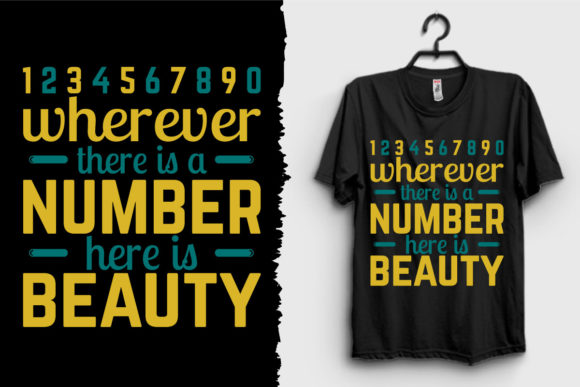
When I first pulled up the Mathematics T-shirt design, the immediate feeling was quiet confidence. It does not shout or try too hard. The sequence of numbers, 1 through 9 and ending with 0, paired with the phrase wherever there is a number there is beauty, reads like a personal mantra rather than a slogan. As an embroidery designer who has tested hundreds of graphics on thread and fabric, I look for that unforced quality right away. A design that feels like it belongs on a worn-in sweatshirt or a tote bag carried to the library has far more staying power than something trend-chasing. This one lands in that genuine space. The layout, built around numerals everyone recognizes, creates a rhythm that feels oddly soothing. It is mathematical but not cold, structured but not stiff. That balance matters enormously when you translate pixels into stitches.
Why the Mood Works for Real Buyers
The emotional pull here is subtle. Numbers carry universal meaning. A math teacher sees one thing. A student graduating with a STEM degree sees another. A parent who counts milestones with their child sees something entirely personal. The phrase wherever there is a number there is beauty ties it all together without over-explaining. From a product design perspective, that layered meaning increases the number of customers who will stop scrolling and actually consider buying. When I evaluate any Mathematics T-shirt graphic for embroidery use, I ask myself whether the final stitched piece will make someone reach for it repeatedly. This one has that quiet repeat-wear potential. It fits the handmade product world beautifully because the sentiment feels personal without being overly niche. It works for gift buyers who might not fully understand the recipient's interests but know they appreciate thoughtful, understated design.
A Real Project Where This Design Earned Its Place
Last month I was testing concepts for a small batch of custom embroidered tote bags destined for an Etsy shop that specializes in educator gifts. The shop owner wanted something that could appeal to math teachers, tutors, and academic coaches without feeling like classroom decor. I pulled the Mathematics T-shirt design into my workflow, adjusted the digitizing for a medium-weight canvas tote, and ran a test stitch on a natural cotton sample. The numbers stitched cleanly with a satin stitch approach on the larger digits and a careful running stitch on the smaller text line beneath them. The result looked intentional, not forced. That test tote ended up in the shop owner's hands, and she reported that customers kept picking it up, reading the quote aloud, and smiling. That is the kind of real-world reaction you cannot fake with marketing copy. It confirmed the design had practical commercial value for a small shop product lineup.
Where the Design Naturally Belongs
Not every graphic in the T-Shirt Designs category translates well to embroidery. Some are built for screen printing and fall apart under the demands of thread and needle. The Mathematics T-shirt layout, however, has characteristics that suit several embroidery applications without extensive reworking. The number sequence creates a horizontal rhythm that fits beautifully across the chest of a sweatshirt, down the center of an apron, or centered on a pillow cover. The typography, assuming a clean sans-serif or gently rounded style, stitches with clarity. Here is where I see it performing best in real embroidery projects:
- Sweatshirt embroidery for casual academic-themed apparel
- Tote bag design for teacher appreciation gifts and book lovers
- Apron personalization for bakers and makers who love numerical precision
- Pillow cover accents for home office or study nook decor
- Kitchen towel embroidery as a playful gift for recipe-driven home cooks
The design also works surprisingly well on embroidered patch projects. Stitch it on a sturdy backing, trim the edges, and you have a patch that can be applied to jackets, backpacks, or caps. The numeric theme feels modern without being tied to a specific year or trend, which extends the shelf life of any finished product you create with it.
Where Caution Is Non-Negotiable
Experienced embroidery designers know that even a clean graphic demands careful material choices. With the Mathematics T-shirt design, the sequence contains individual numerals that sit close together. On stretchy fabric like thin jersey or ribbed knit, those numbers can shift during hooping and distort the alignment. I would avoid using this design on ultra-thin t-shirts without a high-quality cutaway stabilizer. Dark fabric also requires a deliberate thread color check. White or light gray thread on a black sweatshirt will read clearly, but a medium-toned thread on navy or charcoal can lose the smaller text entirely. If you plan to stitch on curved surfaces like caps, test the placement carefully. The horizontal spread of the number line may wrap awkwardly unless you reduce the design size and center it precisely. For tiny lettering on the quote line, anything below four millimeters in height risks becoming illegible once stitched. Scale up rather than shrink down when in doubt.
The Stitched Look and Customer Perception
Thread transforms a flat graphic into something tactile. When a customer runs their fingers over embroidered numbers, they feel the texture of each digit. The Mathematics T-shirt design benefits from this transformation because numbers are inherently precise forms. Cleanly stitched numerals signal attention to detail. Messy or overly dense stitching on a numeric design immediately looks unprofessional. That is why stitch density matters so much here. Too many stitches per numeral and the fabric puckers. Too few and the edges look unfinished. I recommend running a test stitch on scrap fabric before committing to a full product run. Check how the fill stitch settles into the fabric grain and whether the satin stitch borders on each number remain crisp after a gentle wash cycle. Buyers of handmade product listings on Etsy or at craft fairs notice these details. They may not know the technical terms, but they absolutely sense when something was made with care versus rushed through production.
Thread Color Choices That Preserve the Design's Integrity
The quote wherever there is a number there is beauty suggests an appreciation for simplicity. I find this design shines when thread colors stay restrained. Monochromatic schemes using off-white, charcoal, navy, or warm taupe let the numeral shapes do the work. High-contrast combinations like white thread on a forest green sweatshirt or black thread on a cream tote bag read as classic and intentional. Avoid variegated threads for this design unless you have tested the result thoroughly. The shifting color can break the clean geometry of the numbers and make the smaller quote text nearly unreadable. If you want to introduce color, consider keeping the main number line in a solid neutral and adding a single accent color to one digit, perhaps the customer's favorite number. That small customization turns a standard personalized gift into something memorable.
Sizing, Hoop Selection, and Production Efficiency
Before placing this design on any product, confirm the stitch file dimensions and required hoop size. A wide horizontal design like the Mathematics T-shirt sequence demands a hoop that accommodates the full spread without forcing you to rotate or split the design. Most standard mid-size hoops handle it comfortably for sweatshirt and tote bag use, but always measure. For smaller items like baby embroidery or infant onesies, you may need to scale down significantly, and that is where the smaller numerals and quote text become vulnerable. I would not push this design below a five-inch width on most fabrics. The production time is efficient if the digitizing avoids unnecessary fill stitch density. A well-digitized version stitches out in under fifteen minutes on a single-needle machine at moderate speed, which matters when you are producing multiples for a craft business or preparing inventory for a holiday embroidery rush.
Brand Consistency and Boutique Product Appeal
Small shop owners and creative entrepreneurs often struggle to find designs that match their brand voice without feeling generic. The Mathematics T-shirt design offers a specific point of view. It appeals to customers who identify as thinkers, problem-solvers, or lovers of quiet intellectual humor. If your brand aesthetic leans toward minimalist stationery, modern academic style, or thoughtful giftware, this design slides in naturally. Pair it with packaging that echoes the numerical theme, perhaps tissue paper printed with subtle number patterns, and the entire boutique product experience feels cohesive. Buyers who purchase from handmade shops are often looking for items that feel curated. A well-executed embroidery project built around this numeric quote signals that you understand your audience and source designs with intention rather than grabbing whatever is trending.
Practical Notes Every Embroidery Designer Should Review
Before you stitch the Mathematics T-shirt design onto any product you plan to sell, run through this mental checklist. Test on scrap fabric first. Check thread color contrast against both light and dark fabric backgrounds. Inspect small details on the quote line under good lighting after stitching. Pull the fabric gently to see if any gaps appear between the satin stitch edges. Wash one sample and examine it for thread breakage or distortion. Confirm your hoop size accommodates the design without crowding the frame edges. If you sell finished items commercially, verify that the Graphics design license covers physical product sales, not just personal use. Many designers in the digital embroidery file space want creatives to succeed, but licensing terms vary. Taking five minutes to double-check protects your small shop from headaches later. The same goes for anyone creating printable mockup previews for Etsy listings. Accurate mockups build buyer trust. Misleading previews erode it quickly.
Who This Design Is Actually For
After testing the Mathematics T-shirt across multiple embroidery projects, I believe its strongest audience includes math educators, engineering students, data analysts, finance professionals, and anyone who finds comfort in the certainty of numbers. It also resonates with gift buyers shopping for graduation presents, teacher appreciation week, or retirement gifts for longtime professors. A grandmother buying a custom embroidered sweatshirt for her granddaughter's college send-off might not understand embroidery digitizing, but she will recognize a beautiful sentiment when she sees it. That emotional connection is what moves a product from a browser tab to a shopping cart. For Etsy seller shops that specialize in personalized gifts, having a numeric-themed design in your catalog adds variety without diluting your brand. It sits comfortably alongside script name designs, monograms, and inspirational quote pieces.
A Working Designer's Honest Summary
The Mathematics T-shirt design is one of those rare graphics that improves through the embroidery process. On screen, it is a clean arrangement of numbers and text. In thread, it gains texture, weight, and permanence. It stitches efficiently, scales reasonably well within standard hoop sizes, and communicates a message that feels both personal and universal. There are constraints. It does not forgive sloppy stabilizer choices or overly ambitious size reductions. It demands clean digitizing and careful fabric selection. But for an embroidery designer building products for a craft business, preparing custom apparel for a client, or creating inventory for a holiday market, this design earns its place in the rotation. Test it properly, treat the details with respect, and it will make finished products that customers pick up, read, smile at, and buy.