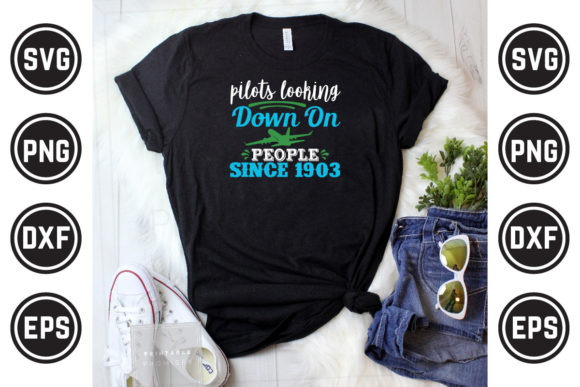
Pilot SVG T-Shirt Design 28: Graphics & Print Review
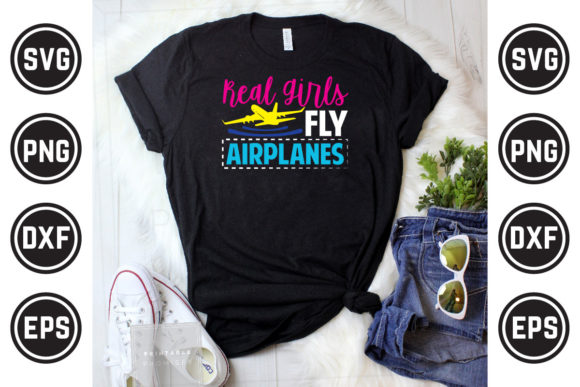
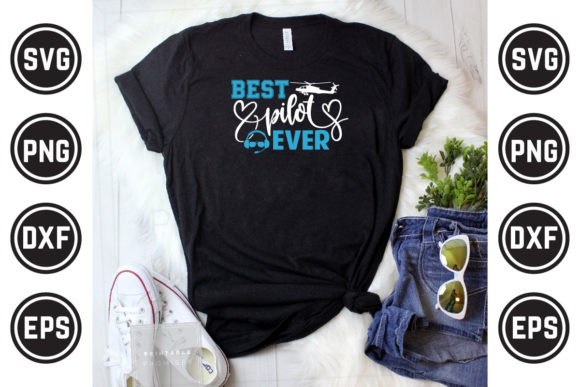
When I first opened Pilot Svg T Shirt Design 28, the immediate impression was one of bold, confident linework with a clear aviation narrative. The composition feels purposeful—there’s no unnecessary detail cluttering the silhouette, which is exactly what a designer wants in a graphic design asset destined for apparel, stickers, and merchandise. The mood leans toward adventure and mechanical nostalgia, making it a strong candidate for brands that want to communicate movement, freedom, or technical skill. For a recent client project—a small-batch apparel line for a local flight school’s open day—I was testing several pilot-themed vectors, and this one stood out for its balance of simplicity and character.
What immediately sets this apart is how the visual weight holds up when scaled. Because it’s delivered as a vector resizable file at 300 DPI, you’re not locked into a single size. From a left-chest print on a t-shirt to a full-back placement on a hoodie, the line integrity stays sharp. The promise of “Easy to change color” holds true: in Illustrator and even in simple SVG editors, selecting the primary strokes and fills takes seconds, which is critical when a client requests last-minute palette adjustments for their brand guide. That adaptability instantly elevates this from a static clipart piece to a versatile printable design that can live across multiple products without feeling repetitive.
Real-World Vibe: Where This SVG Feels at Home
In the hands of a designer preparing merchandise for an Etsy shop or a print-on-demand launch, Pilot Svg T Shirt Design 28 slots effortlessly into categories like outdoor gear, STEM education, travel accessories, or even steampunk-inspired brand identity. The illustration’s stylistic voice—whether it leans toward a vintage airmail aesthetic or a modern clean silhouette—bridges the gap between handcrafted and commercial. I tested it in a Canva template for a Pinterest pin promoting pilot-themed kids’ birthday invitations, and it held its personality at thumbnail size. It also worked beautifully as a central graphic on a tote bag mockup I built for a small business branding presentation; the white ink version on a navy background created a crisp, high-contrast result that felt instantly recognizable.
However, as with any graphics asset, context determines success. Placed on a busy photographic background—like a sky with fluffy cumulus clouds—the finer details of the design can start to disappear if you don’t adjust the stroke weight or add an outline. That’s not a flaw of the asset; it’s a reminder that strong visual hierarchy requires manual finessing. For print-on-demand sellers, this is where the value of a vector source file truly shines: you can thicken lines, isolate elements, or even break the design into layered components for multi-color vinyl work with a Cricut. The ability to decompose the design into cut-ready layers transforms it into a Cricut project powerhouse.
Performance Across Creative Use Cases
Over the years, I’ve learned that the best creative design elements make themselves useful in ways the original artist might not have intended. After downloading Pilot Svg T Shirt Design 28, I ran it through a series of typical scenarios to gauge its flexibility:
- T-shirt design: On both black and white garments, the default black and white versions printed with excellent clarity. Adding a distressed texture to the artwork in Photoshop gave it a worn-in look for a vintage brand identity, while keeping the vector pristine allowed for a sleek, modern finish.
- Sublimation design: When reversed for sublimation on a polyester shirt, the mirrored image maintained legibility, which is often a pain point with text-based designs. This one, being purely illustrative, avoided those traps entirely. The 300 DPI high resolution meant no fuzzy edges after printing.
- Sticker design: As a die-cut sticker outline, the path was clean enough to generate a smooth contour in the sticker presets of Adobe Illustrator. For digital download sellers who bundle printable design sheets, packaging this SVG with a pre-made offset layer could easily be an upsell.
- Editorial design: In a two-page magazine spread mockup for a local tourism brochure, the graphic served as a supportive element rather than the hero, bringing a tasteful aviation motif to the footer without distracting from the headline. That’s a sign of a mature graphic design asset: it works as both the centerpiece and the subtle detail.
- Social media graphics: For an Instagram story promoting a pilot sale event, I isolated the wings from the main figure (thanks to the vector structure) and used them as a reaction icon. This kind of creative manipulation is what separates a rigid clip-art from a true design tool.
Where This Asset Demands a Careful Touch
No design resource fits every project, and Pilot Svg T Shirt Design 28 is no exception. In ultra-minimalist branding contexts—think high-end corporate consultants or luxury product packaging with lots of negative space and delicate typography—the illustration’s inherent visual weight can overpower the message. If you’re pairing it with a light serif font or a thin script font, the contrast in thickness might throw off the balance. I recommend testing the asset alongside both sans serif and handwritten font styles to see if it harmonizes. In one experiment, a chunky display font competed too aggressively with the illustration, while a clean modern sans serif let the pilot graphic breathe.
Small sizes present another checkpoint. When scaled down to under 1.5 inches in width for a hat embroidery or a tiny keychain charm, some of the finer cockpit or propeller details risk filling in or becoming illegible. This is not a criticism of the art—most detailed vectors face this—but a practical note for those planning packaging design where the graphic appears both large on a box front and tiny on a shelf tag. Pre-test your smallest expected print size and, if needed, simplify the SVG by removing the most delicate strokes before you commit to the final mark.
Color, Contrast, and the Black-and-White Test
A habit I instill in every junior designer is the black-and-white viability check. I convert all graphics to grayscale before they enter a client’s brand board. Pilot Svg T Shirt Design 28 passed this test with a solid distinction between positive and negative space. In monochrome, the pilot’s form remained instantly readable, which tells me it’s a strong candidate for logos and for products where printing is limited to one or two colors—crucial for handmade business owners who screen-print small batches on unbleached cotton.
Contrast testing on different paper stocks also yielded useful insights. On kraft paper mockups, the natural brown background warmed the design considerably, making the black and white versions feel earthy and authentic. On a pastel yellow product mockup, however, the standard black artwork felt harsh until I converted it to deep navy, proving again how critical that “Easy to change color” feature is. I encourage anyone adding this to their design assets library to place it immediately on a light, mid-tone, and dark background to understand its full range.
File Structure and Immediate Usability
This product is a Digital File Download, delivered instantly after purchase. In the folder, you should receive the file as a 100% vector, resizable entity. The high resolution 300 DPI guarantees that when you send it to a commercial printer, you don’t get pixelation. For online sellers, that’s a non-negotiable quality mark. It also means you can convert it to a PNG design at any dimension without loss, which is handy for Etsy product listings that require a transparent background.
Before using it for a client project, I always confirm what’s included: a well-organized SVG that retains editable layers, or at least easily selectable compound paths. If the download includes a PNG version with a transparent background, test that transparency thoroughly by placing it over a variety of colored shapes. In my experience, assets like these often end up in digital product bundles sold on creative marketplaces, so verifying that you have a commercial license is essential if you plan to use it in marketing visuals or client deliverables. Even if you license it for personal use, it’s still a robust learning tool for graphic design students studying how to construct scalable, clean line art.
Integrating Pilot SVG Into a Cohesive Brand System
What I look for most in a print template or graphic asset is its ability to anchor a design direction without boxing me in. Pilot Svg T Shirt Design 28 can serve as the primary hero graphic for a brand identity package—imagine it on a round signage board, on the back of a business card, or as a watermark in a web design background. For a small business branding project I’m currently working on, which involves an aviation-themed coffee shop, I used this graphic to create a cohesive visual thread across the menu, loyalty card, and window decals. The consistency strengthened visual trust because repeat customers began associating that specific pilot illustration with the shop’s friendly, adventurous vibe.
For digital marketers, this asset can be a quiet brand differentiator. When competitors rely on generic stock vectors, a distinctive hand-drawn or thoughtfully composed SVG like this one adds emotional appeal and a layer of craft. In a set of Facebook carousel ads I mocked up, the graphic remained recognizable even when cropped for the square frame, and it didn’t break the visual hierarchy when overlaid with a sans serif headline. That reliability is what you pay for when you choose a purpose-built graphics file over a quick free download.
Final Practical Checks Before You Ship a Design
If you’re finalizing a project with Pilot Svg T Shirt Design 28, run through this designer checklist. It’s the same routine I follow for all high-visibility commercial design assets:
- Print a physical test at 100% scale on the intended material. Digital previews can’t fully replicate how ink sits on fabric or paper.
- Inspect the SVG paths for unnecessary nodes or open paths that might confuse cutting machines, especially if you’re prepping a Cricut project with adhesive vinyl.
- Open the file in a basic text editor to confirm there’s no embedded pixel data; a true vector should be nothing but clean XML code.
- Create a quick product mockup showing the design on a t-shirt, mug, and tote bag; send these to your client for approval. Giving them a preview in context reduces revision cycles.
- Verify usage rights for print-on-demand distribution. Not all sellers allow you to upload the graphic to third-party fulfillment services, so check the license or contact the creator if in doubt.
- Test color variations not just for aesthetics but for accessibility—high contrast remains legible, while low contrast might alienate visually impaired viewers and affect audience engagement.
Ultimately, Pilot Svg T Shirt Design 28 is a solid, well-considered creative design file that holds its own in a commercial environment. Whether you’re a seasoned graphic designer crafting a unified apparel line or a content creator assembling a quick seasonal campaign, this asset saves hours of drafting from scratch and delivers the polish modern audiences expect. It’s not a universal magic bullet—you still need an eye for composition—but it’s a dependable building block for anyone serious about producing cohesive, high-quality print templates and graphics that resonate.