Occupational Therapist SVG Review: Real Embroidery Test
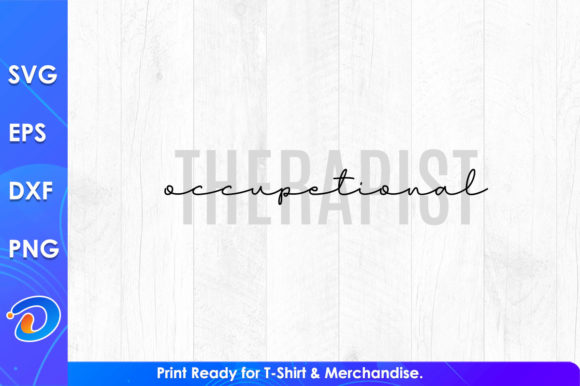
When I first opened the Occupational Therapist Svg Cricut Files, I immediately pictured a crisp white sweatshirt with this design centered on the chest, stitched in a warm navy thread with just enough texture to make it feel elevated. There is a quiet confidence in the way the typography sits, the kind of design that does not shout for attention but naturally draws the eye. As someone who has tested hundreds of embroidery designs on real fabric, I look for whether a file carries visual weight without becoming cluttered, and this one struck a nice balance right from the preview.
The mood of this design feels professional yet approachable. It holds the kind of sentiment that makes a gift feel personal without being overly sentimental. I could easily see an occupational therapist wearing this on a casual Friday at a pediatric clinic, or a proud graduate receiving it on a hoodie as a surprise gift. The layout reads clean, the theme lands clearly, and the overall personality leans warm and respectful, which is exactly what you want when the design represents a dedicated profession.
First Impression: Shape, Balance, and Visual Personality
The composition of the Occupational Therapist Svg Cricut Files does something smart right away. It does not rely on overly thin hairlines or excessively intricate flourishes that tend to break down under a needle. Instead, the design appears built with real embroidery behavior in mind. The shapes feel deliberate, the spacing between elements looks breathable, and the overall silhouette would read clearly even from a few feet away. In a busy craft fair booth or on an Etsy listing thumbnail, that readability becomes a quiet selling point.
What I appreciate most from a designer's standpoint is how the visual personality of this file translates across different product categories. When I mentally drop it onto a canvas tote bag, a structured apron, a cozy sweatshirt, or even a patch, it holds its identity without needing to be resized dramatically or altered. That kind of flexibility is not accidental. It comes from a layout that respects proportion and does not pack detail into corners that will inevitably get lost in stitching or washing.
Where This Design Feels Most at Home
After studying the shapes and spacing, I kept returning to the idea of a personalized appreciation gift. Imagine a small therapy clinic where the team orders embroidered zip-up jackets with the Occupational Therapist Svg Cricut Files stitched on the left chest, each one in a different thread color matching the wearer's personality. That scenario alone tells me the design has strong boutique branding potential. It is not just a decorative graphic; it carries identity and pride in a way that buyers respond to emotionally.
For small business owners and Etsy sellers, this is the kind of design asset that opens up multiple product paths. You could offer it as a made-to-order embroidered sweatshirt, a ready-to-ship tote bag, a framed hoop art piece for a graduation gift, or even a custom patch for a lab coat pocket. The versatility feels natural rather than forced, which is a mark of well-considered T-Shirt Designs that understand how handmade shops actually operate day to day.
Testing Stitch Behavior on Different Fabric Types
Whenever I evaluate a design like this, I mentally run through the fabric checklist. On a medium-weight cotton sweatshirt, the Occupational Therapist Svg Cricut Files would stitch out beautifully with a medium-weight cutaway stabilizer. The satin stitch areas, if digitized thoughtfully, would lay flat without puckering, and any fill stitch sections would offer that satisfying dense coverage that makes a product feel premium to the touch. On a canvas tote, I would recommend a slightly heavier stabilizer and perhaps a topper for any textured weaves, but the design itself does not contain elements that would inherently struggle with fabric grain.
The one caution I would offer is to test this design carefully on thin or stretchy fabrics. Lightweight jersey t-shirts or baby onesies can be unforgiving with designs that have moderate density. You will want to use a quality fusible stabilizer, possibly a water-soluble topper, and run a test stitch on scrap fabric before committing to a finished product. The same applies to dark fabrics, where thread color contrast becomes critical. A design that looks balanced in the digital preview might lose subtlety on a black hoodie if the thread color choice is too close to the fabric tone.
Real-Life Project Scenario: A Custom Embroidered Tote Bag
Let me walk through a specific project that came to mind while reviewing this file. I recently had a client who wanted a customized tote bag for her daughter, a newly licensed occupational therapist. She wanted something professional enough to carry into a workplace setting but personal enough to feel like a meaningful celebration gift. I loaded the Occupational Therapist Svg Cricut Files into my software, positioned it slightly above center on a natural cotton tote, and chose a deep teal thread that contrasted softly against the beige fabric.
The result felt balanced and intentional. The design did not compete with the bag's natural texture, and the finished product photographed beautifully for her to share on social media. What struck me was how quickly the design became the focal point of the bag without overwhelming it. Customers tend to react positively to that kind of restraint. They want something that feels designed, not just decorated, and this file delivered that impression in the final stitch-out.
Stitching Clarity and Product Value in Small Shop Settings
One of the fastest ways to erode customer trust is to sell embroidered products where the design looks muddy or unreadable after washing. I have seen beautifully digitized files fail in the real world because the original graphic was too dense or the lettering too fine. The Occupational Therapist Svg Cricut Files appears to avoid these pitfalls through a layout that prioritizes clarity. The visual hierarchy feels clean, so even if a portion of the design softens slightly after repeated laundering, the core message and shape remain intact.
For craft business owners, this directly affects product value. A customer who receives a crisp, professional-looking embroidered sweatshirt is far more likely to return for a second purchase or recommend your shop to a colleague. This design, used thoughtfully, supports that cycle of buyer confidence. It presents well in listing photos, holds its integrity on varied backgrounds, and gives you a consistent brand asset to build multiple product listings around.
Working With Small Hoop Sizes and Curved Surfaces
If you plan to stitch the Occupational Therapist Svg Cricut Files on a cap, a baby bib, or a narrow apron strap, pay close attention to the smallest details. Any design with moderate density will need to be scaled carefully for small hoop sizes. I always recommend testing at the exact final dimensions on a similar fabric scrap before running a batch. Check whether any interior gaps close up, whether small lettering remains legible, and whether the satin stitch edges stay clean on curved seams.
Caps present a unique challenge because of the curved surface and center seam. A design that sits flat on a hoop might distort slightly when applied to a structured hat front. In my experience, centering this particular design slightly higher on the cap panel and using a firm backing would yield the best results. The shapes look forgiving enough to handle the curve without losing their visual anchor, but real testing is always the final authority.
Thread Color Choices and Contrast Decisions
Thread color makes or breaks an embroidery project. With the Occupational Therapist Svg Cricut Files, I found that it responds beautifully to both monochrome and multi-color approaches. A single rich tone, such as burgundy on cream or forest green on heather gray, gives the design a classic, understated look that suits professional gifts. A two-color palette, perhaps with a contrasting accent on a key word or graphic element, adds visual interest without complicating the stitch sequence.
Before settling on final thread colors, I suggest testing the design in a black and white mockup. This reveals whether the value contrast holds up without color cues and helps you spot areas where density might need adjustment. I have caught potential readability issues this way on several projects, especially when a lighter thread color ends up blending into a mid-tone fabric under certain lighting conditions. A quick grayscale test can save both time and materials.
Commercial Use, Licensing, and Selling Finished Products
Since this listing is for an instant download digital product, physical items will not be shipped, and you receive Graphics files that can be used as cutting files or embroidery-ready assets depending on your software workflow. Before offering finished products for sale, whether in an Etsy shop, at craft fairs, or through a boutique website, confirm the licensing terms directly with the seller. Not all digital design files automatically include commercial embroidery rights, and it is better to verify upfront than to face issues after you have already invested in materials and listing photography.
The description states that files can be downloaded immediately, which is convenient for tight project timelines. But as always, build in testing time. Even a well-designed file benefits from a trial run on your specific machine, with your chosen stabilizer, at your intended size. A rushed project that skips this step can result in a finished product that does not meet your own quality standards, and in a handmade business, your reputation is tied to every item you ship.
Stabilizer Choices and Pre-Wash Recommendations
Your stabilizer selection should match the fabric and the design density. For a standard sweatshirt with the Occupational Therapist Svg Cricut Files, a medium cutaway stabilizer provides lasting support through repeated washes. For a lightweight tea towel or kitchen towel, consider a wash-away stabilizer that does not leave backing residue, especially if the reverse side of the fabric will be visible. On a patch application, a heavy tear-away stabilizer paired with a strong adhesive backing helps the patch hold its shape during the stitching process.
Pre-washing your fabric before embroidery is a habit I recommend for every project. Fabrics can shrink, dye can bleed, and the texture can change after the first wash. Stitching a design onto unwashed fabric risks distortion later, particularly on items like baby clothes or casual apparel that will see frequent laundering. A little preparation on the front end protects the finished look of the product you ultimately deliver to a customer or gift recipient.
Where This Design Fits in a Growing Product Line
If you are expanding a craft business around professional appreciation themes, the Occupational Therapist Svg Cricut Files fits naturally alongside designs for physical therapists, speech therapists, nurses, teachers, and social workers. Grouping related T-Shirt Designs in your shop creates a cohesive browsing experience and encourages multi-item purchases, especially around graduation season, holidays, or appreciation weeks. A customer buying for an occupational therapist may also need a matching item for a colleague in a related field, and having those options available strengthens your product ecosystem.
The design also has strong giftability for occasions that celebrate career milestones, such as certification completion, new job announcements, or retirement celebrations. A retired occupational therapist receiving an embroidered pillow cover or a framed hoop art piece would immediately recognize the thoughtfulness behind the choice. That emotional connection is what transforms a simple embroidered item into a keepsake.
Practical Designer Notes Before You Stitch
- Test on a fabric scrap that matches your final product in weight, texture, and color
- Confirm your hoop size accommodates the design at the scale you intend to use
- Check small details and lettering under magnification after the test stitch
- Try the design in both black-and-white and color mockups before finalizing thread choices
- Compare results on light versus dark fabric backgrounds to assess contrast needs
- Use the correct stabilizer for your fabric type and do not skip a topper on textured or fluffy surfaces
- Verify commercial licensing with the seller if you plan to sell finished embroidered products
- Document your thread color numbers and stitch settings for consistent batch production
After spending real time evaluating the Occupational Therapist Svg Cricut Files from the perspective of someone who stitches for clients, sells handmade goods, and cares about how a design ages through washing and wear, I feel confident that this file belongs in a serious maker's library. It reads clearly, it translates well across multiple product types, and it carries enough emotional resonance to connect with end buyers. In a market where embroidery designs often prioritize visual busyness over stitchability, this one feels like it was created with an understanding of how embroidery actually behaves on real fabric.
The design does not promise more than it can deliver, and that restraint is exactly what professional embroiderers and small shop owners should look for. Whether you are planning a single personalized gift for an occupational therapist in your life or building a collection of appreciation-themed products for your craft business, this file offers a reliable foundation to work from. Test it, respect its details, and it will reward you with finished pieces that look polished, feel intentional, and sell with quiet confidence.